
Our Medicinal Herb Garden: From Prachin Buri to Phuket
The medicinal plants growing at Kamala Beach Estate did not begin as a conventional hotel garden. They began several years ago with a search for the living plants behind Thailand's long tradition of herbal medicine.
Medicinal plants have always been closely connected with local culture. Across Thailand, plants have traditionally been used in food, household preparations and herbal remedies, with knowledge passing from one generation to another.
Over many years of travelling, I had visited botanical gardens, nurseries and medicinal plant collections whenever I found them. The plants were often fascinating, but the medicinal section was frequently little more than a collection of specimens in one corner of a larger garden.
I became increasingly interested not simply in seeing individual plants, but in understanding where they came from, who grew them and how they fitted into the wider culture of Thai herbs.
A journey to Abhaibhubejhr Hospital
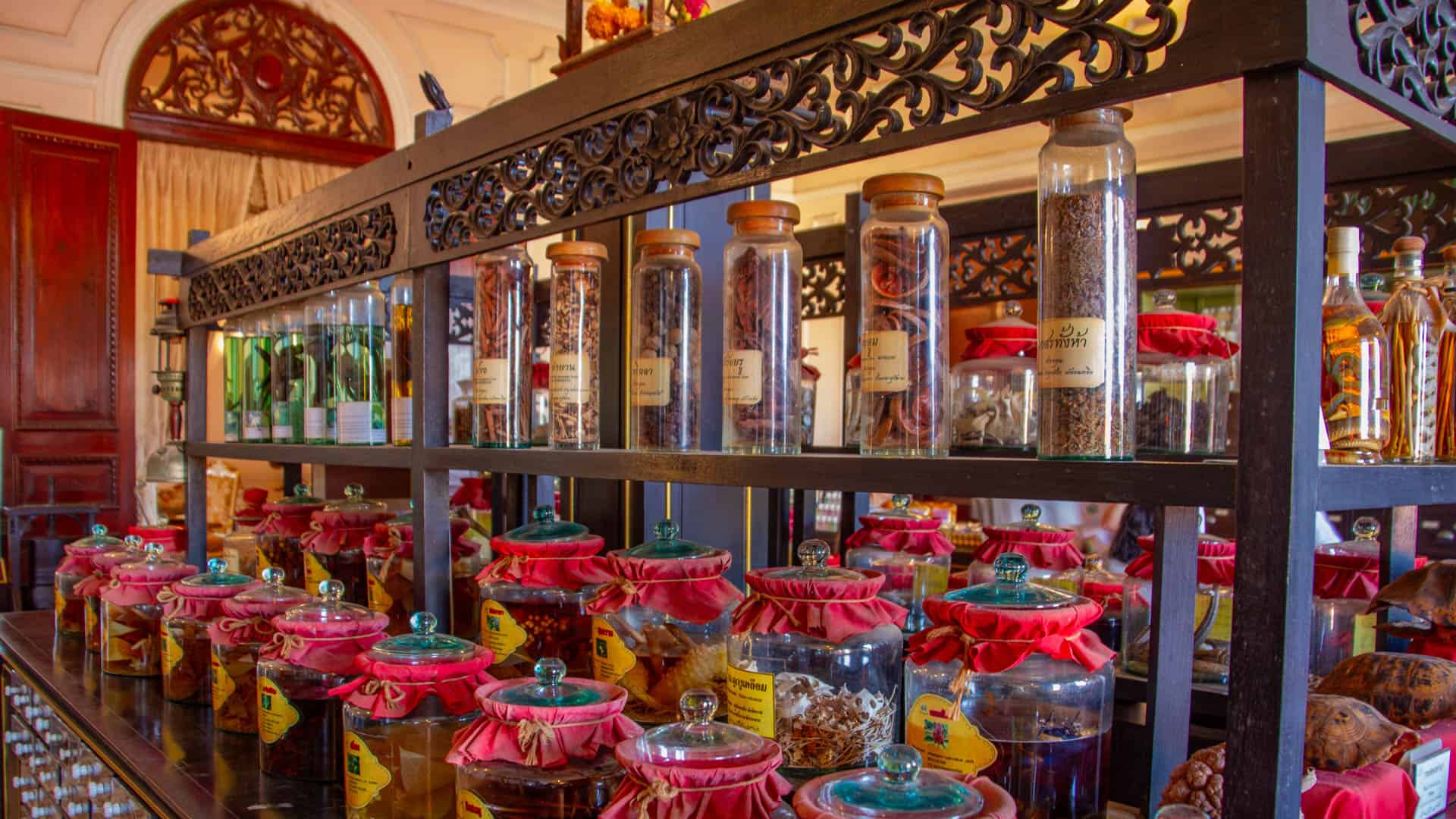
That interest eventually led to Chao Phraya Abhaibhubejhr Hospital in Prachin Buri, east of Bangkok. The hospital has become closely associated in Thailand with traditional Thai medicine, medicinal plants and herbal preparations.
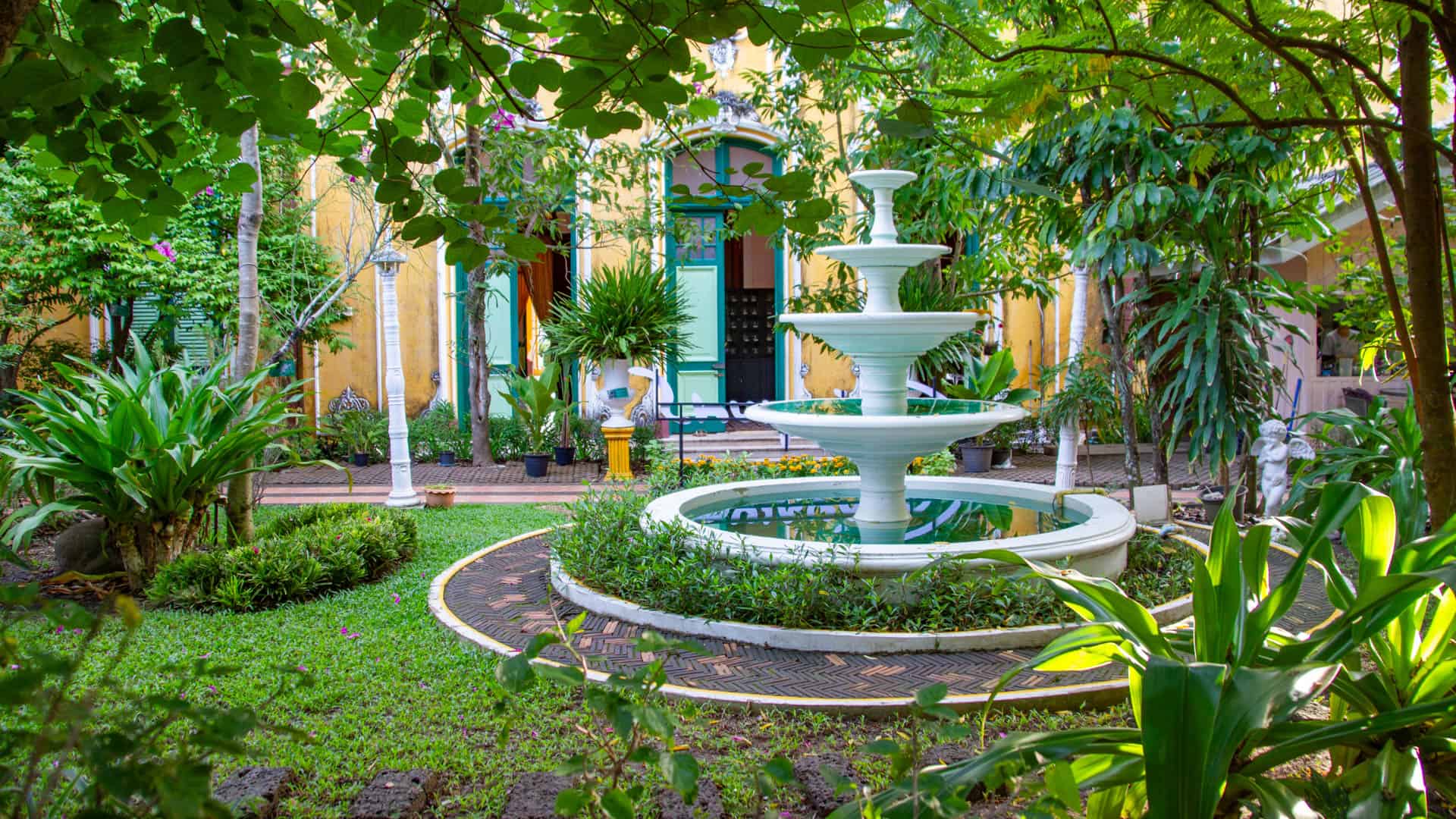
The historic Abhaibhubejhr building, its collections and displays provide a window into the long relationship between plants, traditional medicine and everyday life.
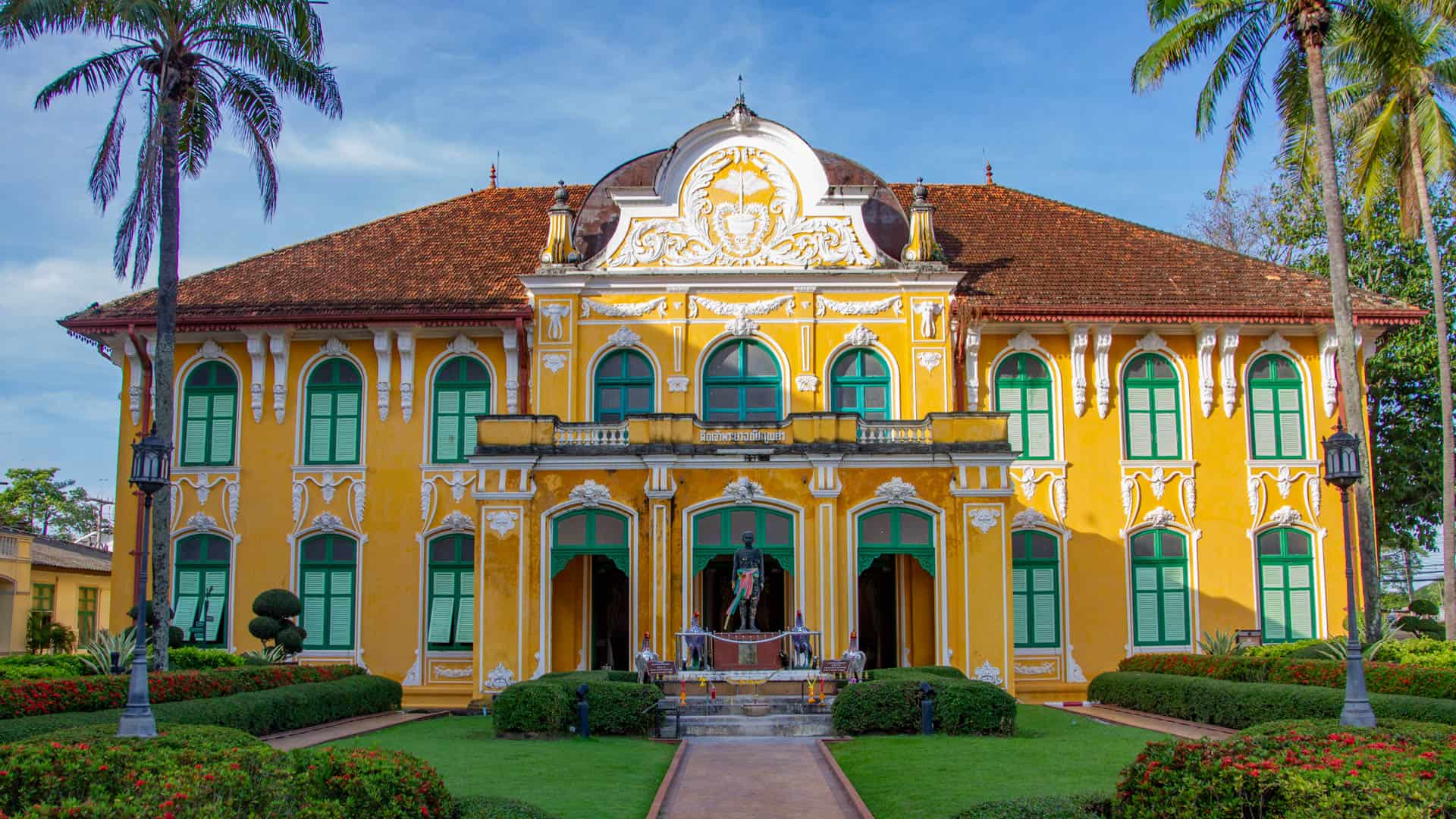
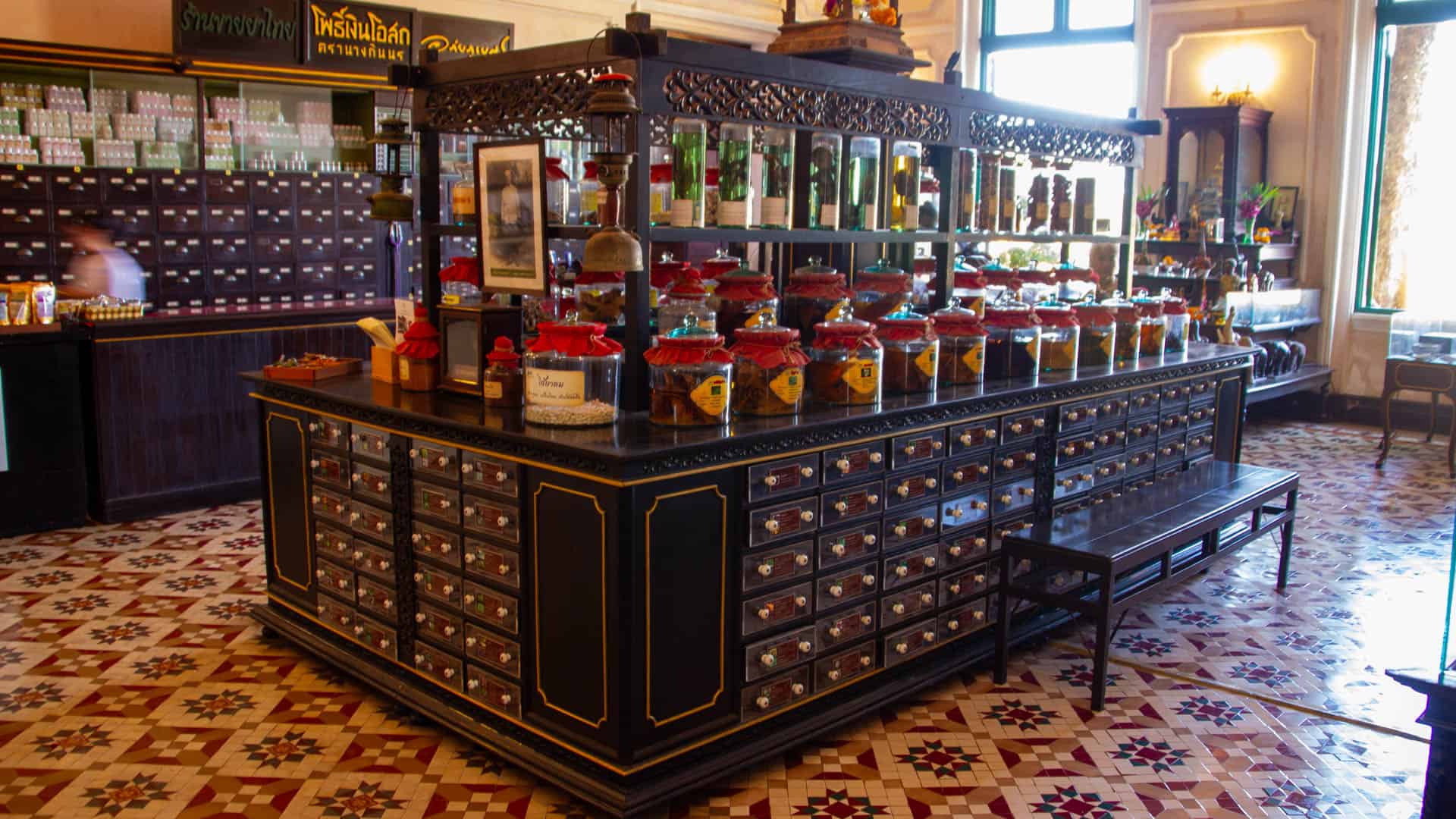
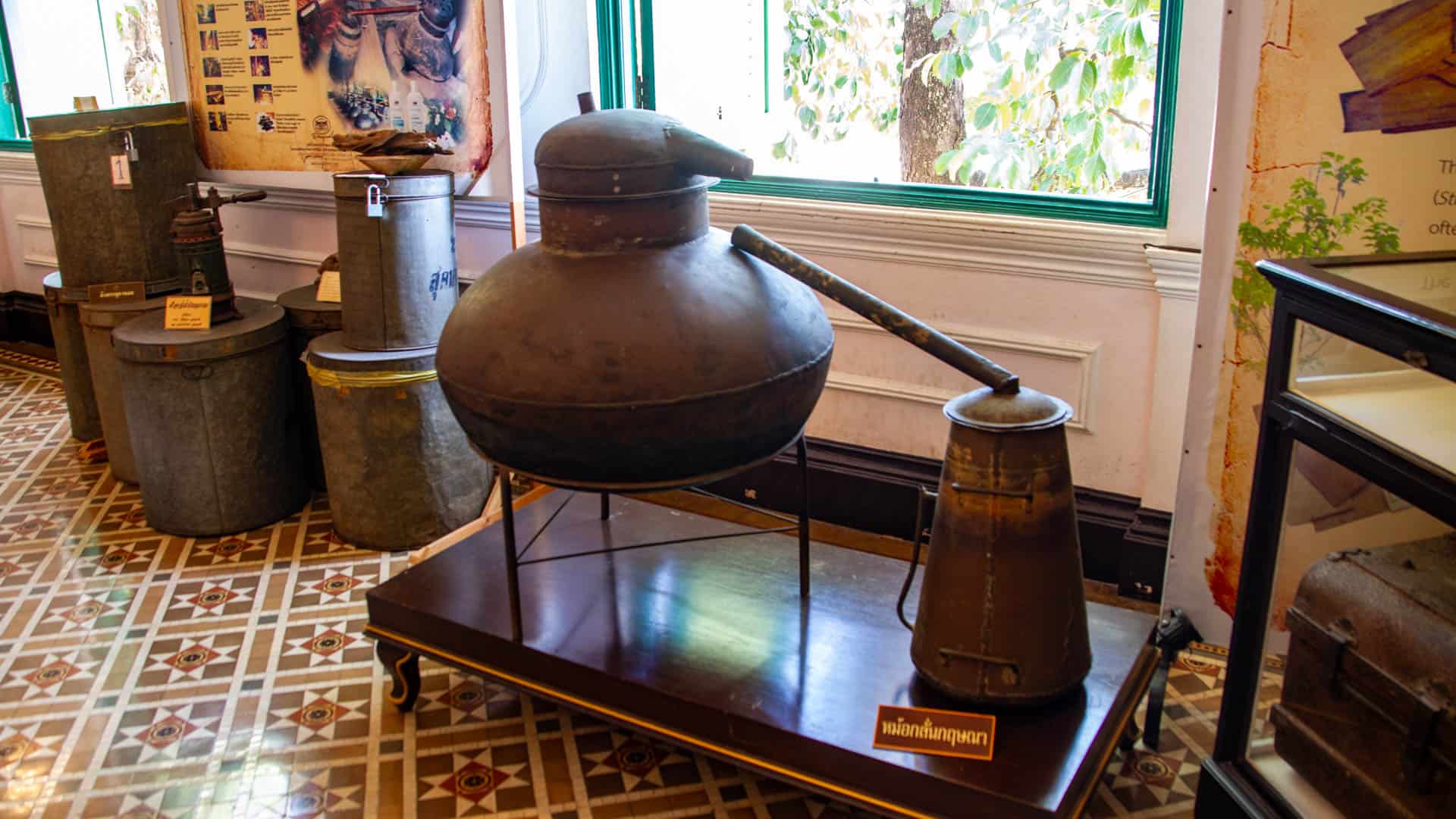
But seeing the finished products raised a more interesting question: where were the living plants actually being grown?
Finding the village behind the herbs
The answer did not come from a formal tour or a research office. It came through an ordinary local conversation outside the hospital.
I learned that a nearby rural community was closely involved in growing and processing medicinal plants connected with the hospital's herbal work. That was enough information to go looking for the village.
The search led to Ban Dong Bang.
A village built around medicinal plants
On arrival, Ban Dong Bang initially appeared remarkably quiet. There were buildings, growing areas and work spaces, but few people were visible.
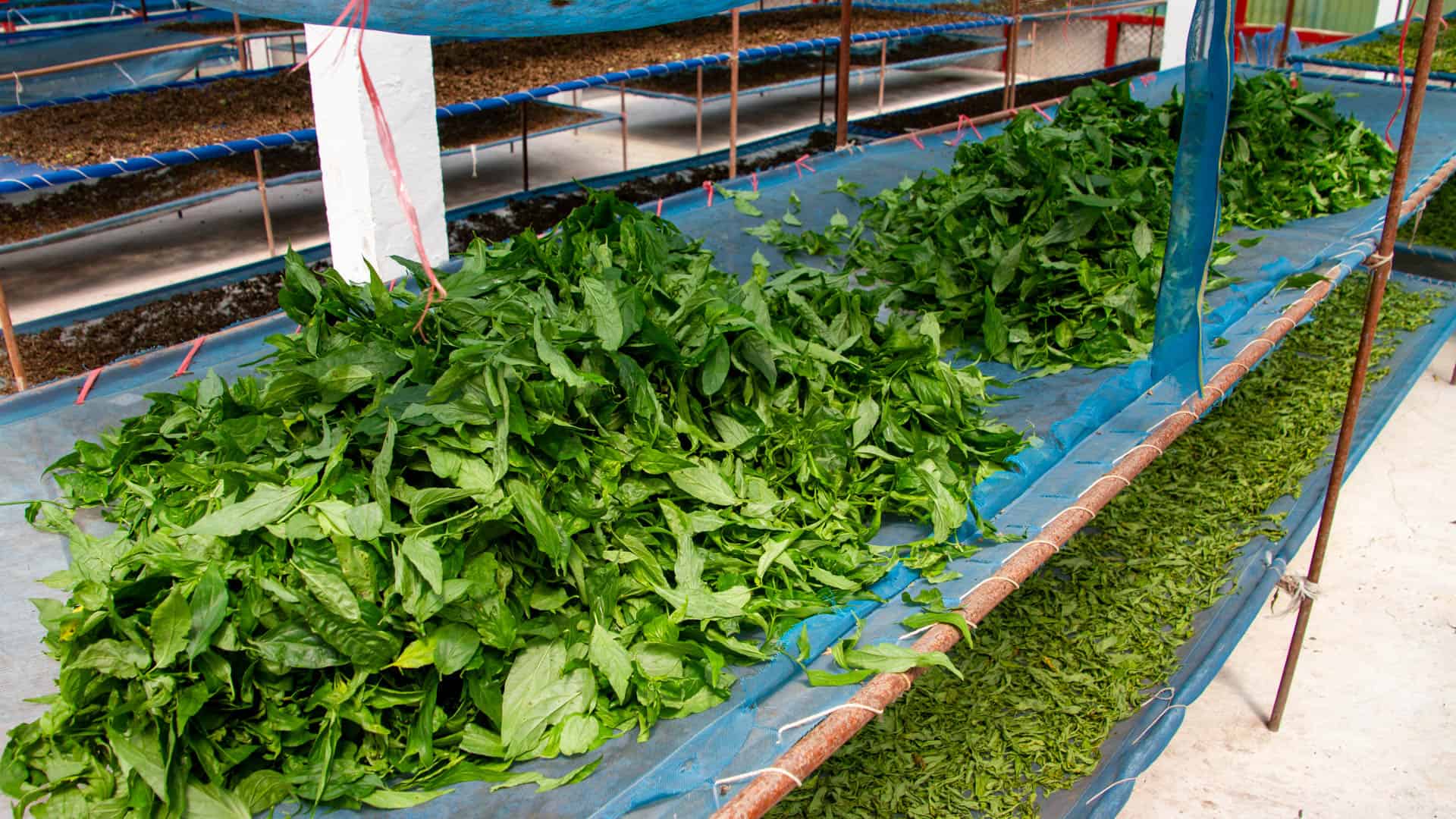
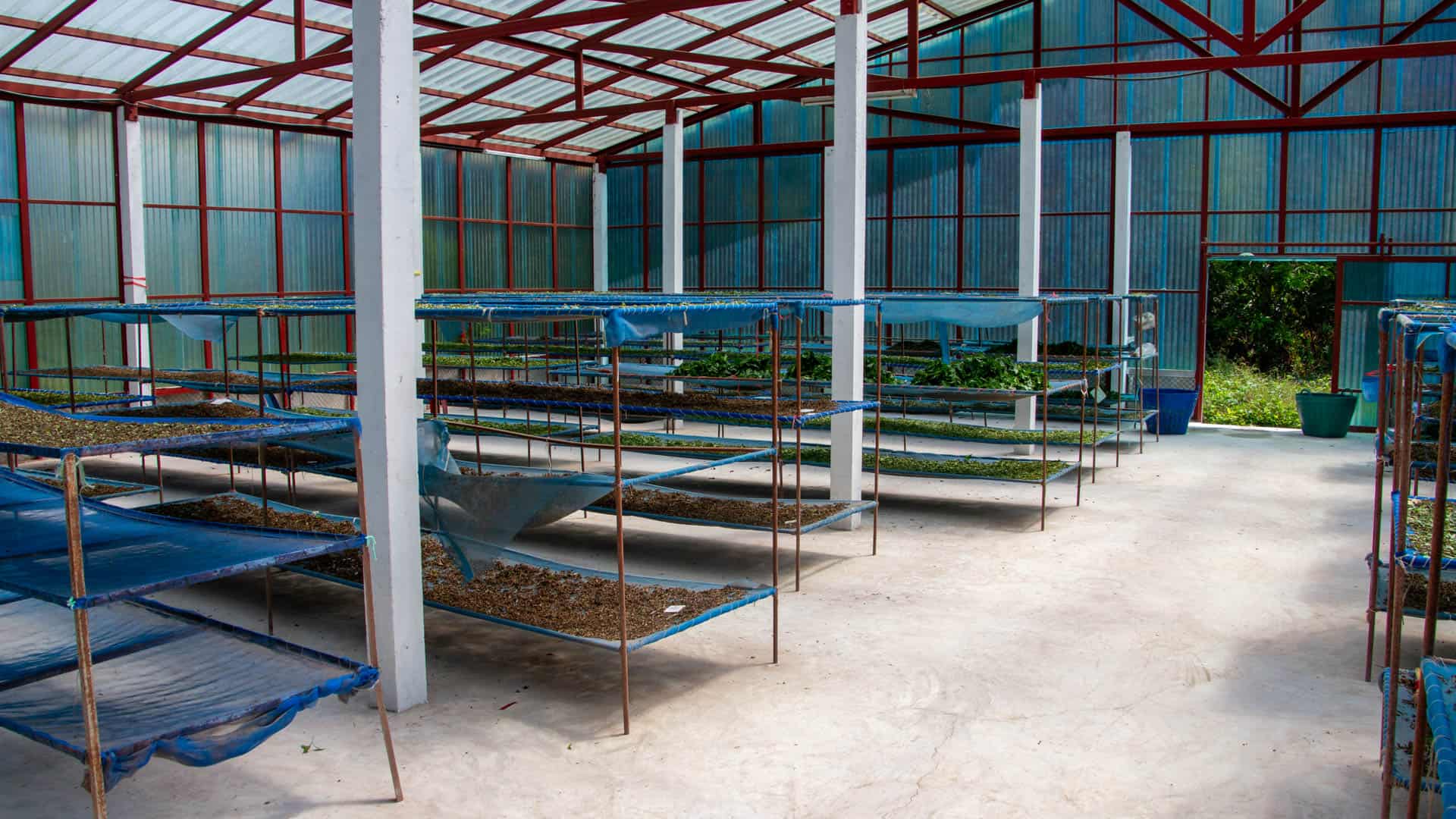
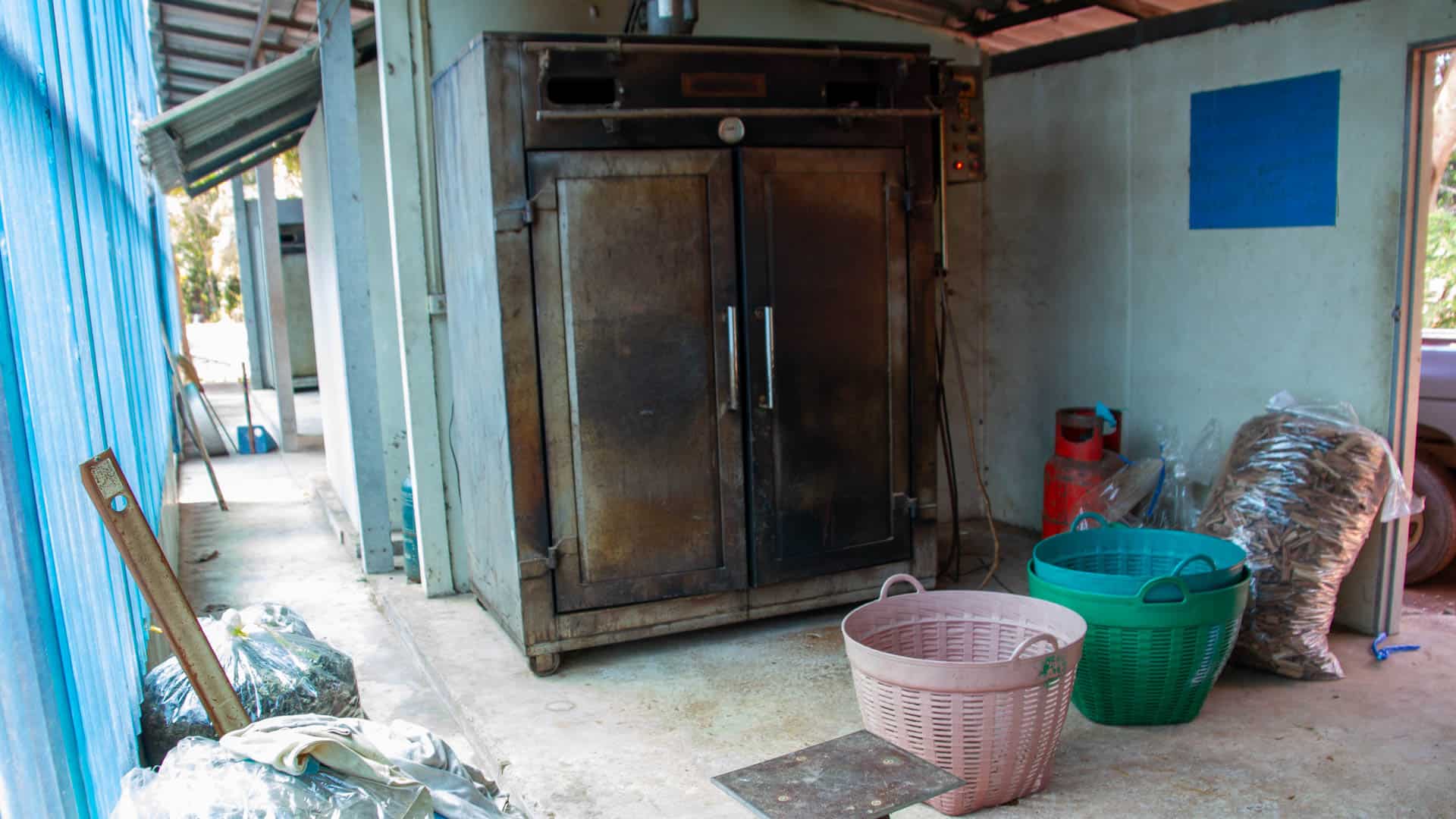
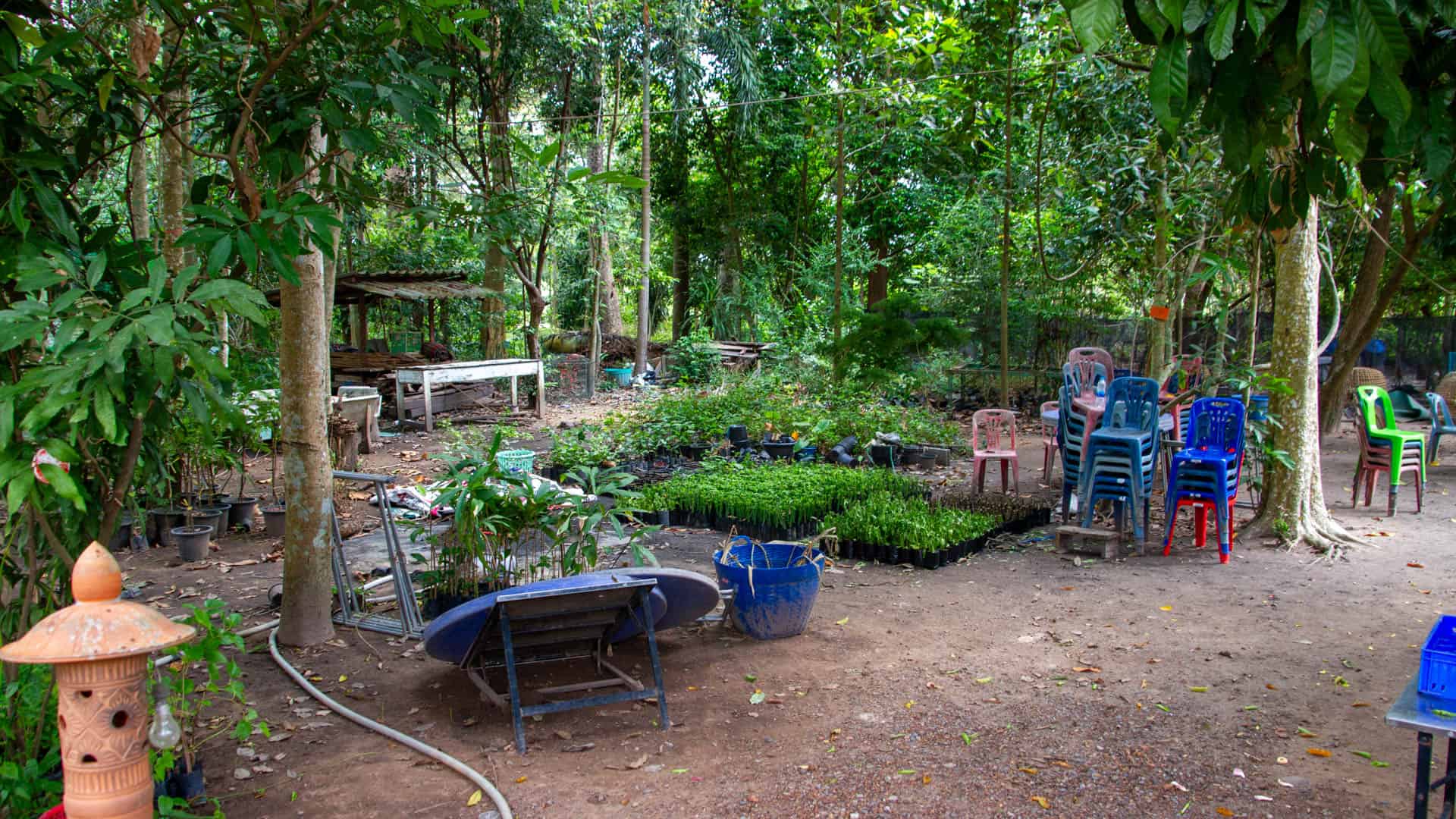
Looking around, however, made it clear that this was the right place. Medicinal plants were being grown in organised collections. There were drying areas, equipment and buildings used for handling and processing harvested plant material.
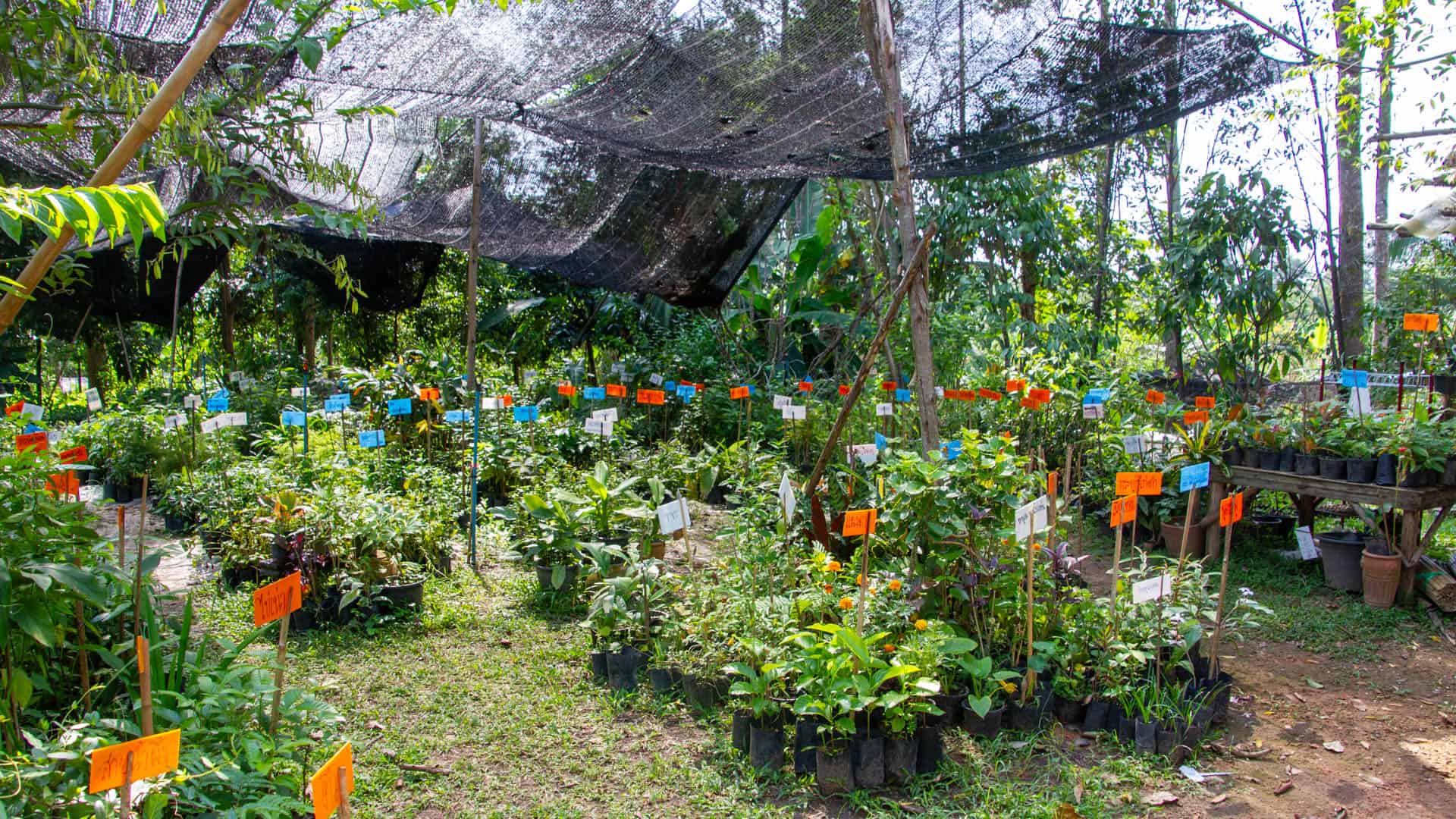
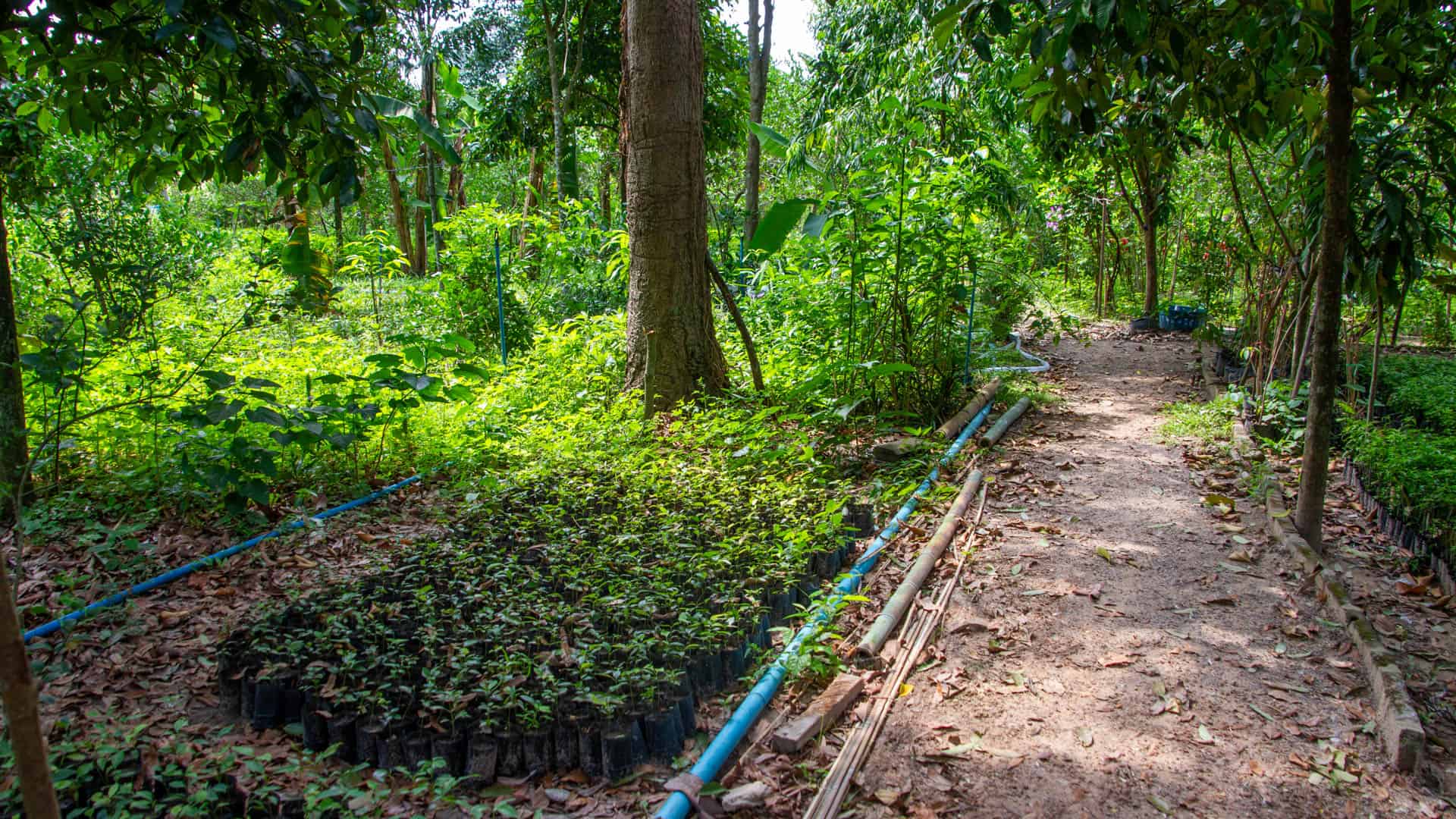
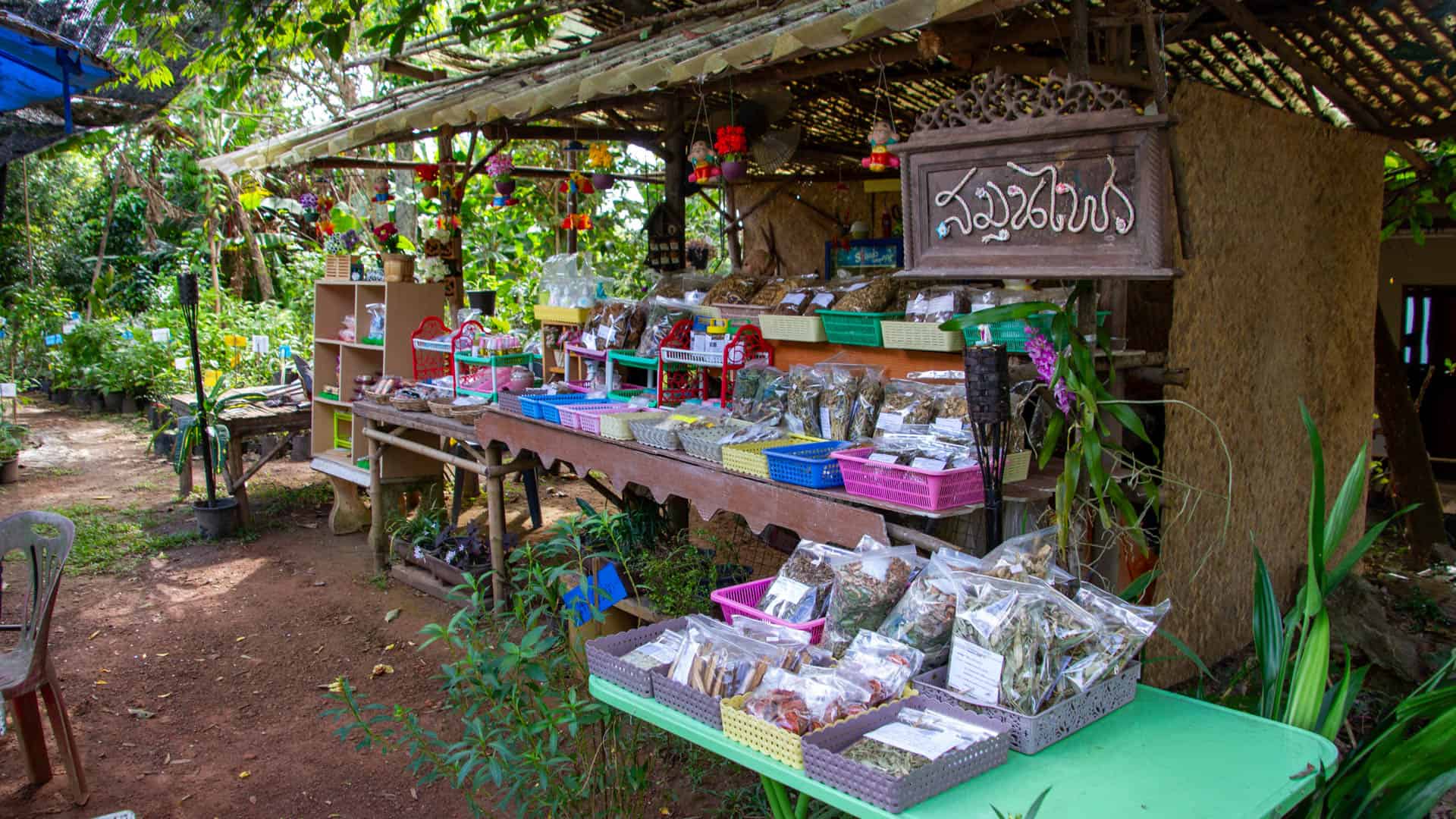
Eventually, an elderly woman came out to find out what the visitor standing in the middle of the village was looking for.
The request was simple: would it be possible to buy one of each of the medicinal plants they were growing?
That immediately changed the conversation. Someone familiar with the village's plant production was found, and arrangements were made to put together a collection.
Growing, drying and processing
Ban Dong Bang was not simply a nursery. The photographs from that visit show different stages of the work: plants growing, fresh material being prepared and leaves being dried before further processing.
The beginning of the Kamala collection
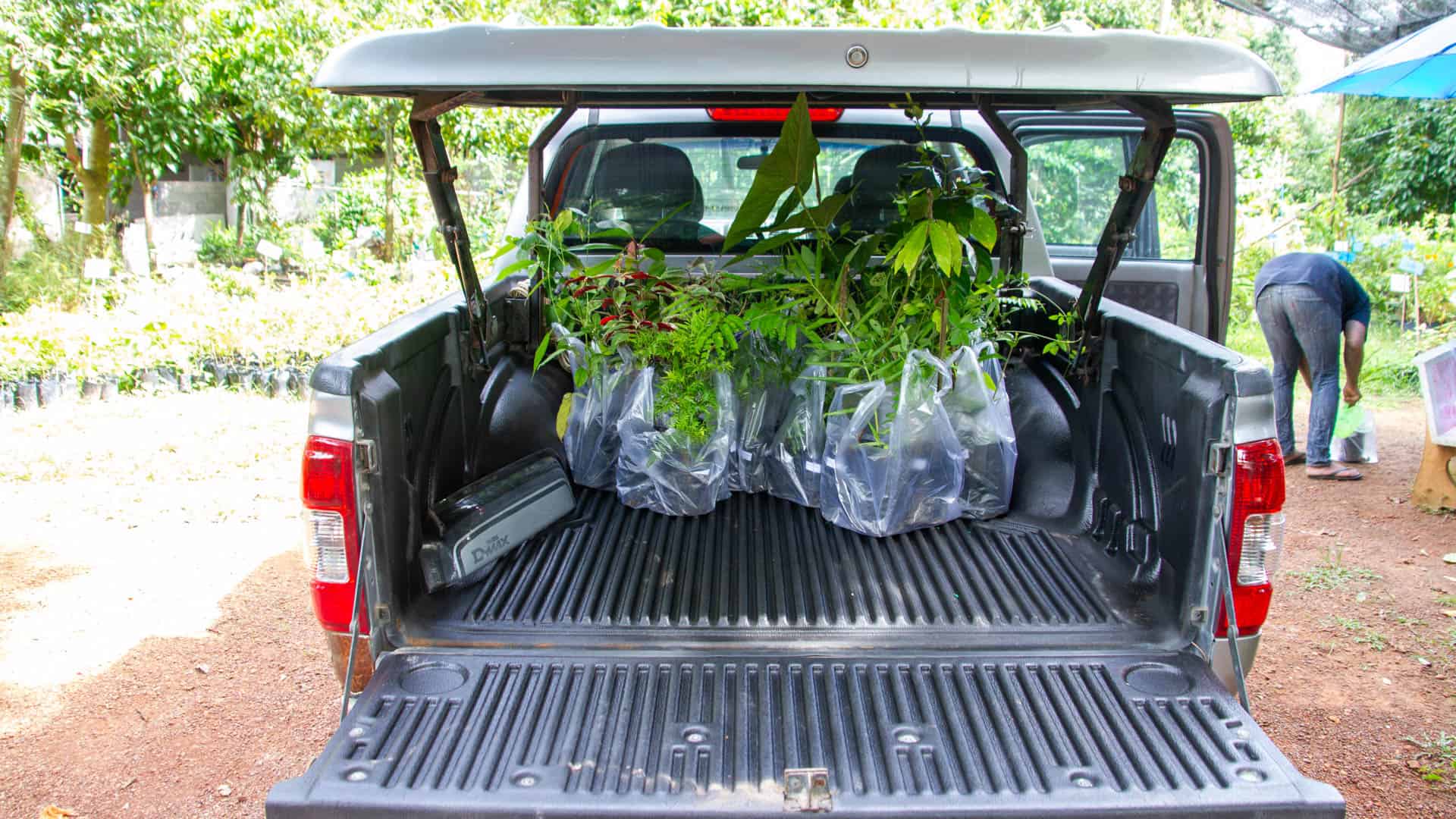
The plants were loaded onto a pickup and transported south to Phuket.
At that stage many were extremely small. Some plants that are now mature shrubs, climbers and small trees could then be carried in ordinary nursery pots.
When the collection arrived at Kamala Beach Estate, every plant was given a number. The number was recorded together with the plant name supplied or understood at the time.
Those original numbers have remained important ever since.
Why the plants are being identified again
Identifying a very young medicinal plant is not always straightforward. Closely related species can look similar, young leaves may differ from mature leaves, and some of the most useful identifying characteristics do not appear until a plant flowers or fruits.
The collection has now been growing in Kamala for several years. Many specimens are mature enough to provide far better evidence for identification than was available when they first arrived.
The plants are therefore being examined again one by one before they become part of the permanent signed collection.
The permanent number assigned when the plant first arrived in Phuket.
The mature plant is examined again using its leaves, growth habit, flowers and fruit where available.
The botanical identity is checked before the plant is presented as part of the verified collection.
Verified plants receive permanent information signs and become part of the visitor collection.
Two parts of the project
The medicinal plant project is deliberately divided into two collections. This keeps the historical record intact while clearly separating plants that are still being studied from those whose identification has been verified.
Plant Index
The original working collection. These plants retain the numbers and names recorded when they first arrived from Prachin Buri. Their mature identity is still being checked. You can view the unverified Plant Index here.
Verified Medicinal Plants
Plants that have been re-examined as mature specimens, verified and moved into the signed garden collection where visitors can find and identify them.
An unfinished garden
What began with a pickup carrying young plants from a medicinal herb-growing community in Prachin Buri has gradually developed into a living collection at Kamala Beach Estate.
The project is intentionally unfinished. As more plants mature, flower and fruit, they can be identified more confidently, researched in greater depth and added to the verified garden.
In that sense, the collection continues to develop in much the same way as the plants themselves.